



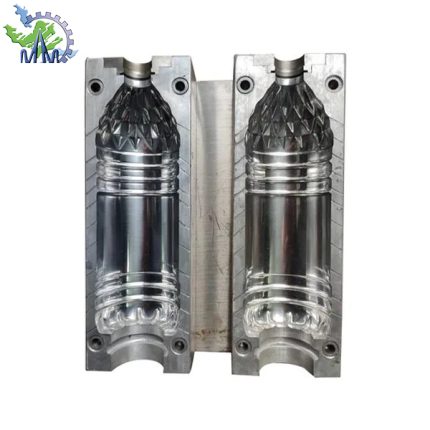
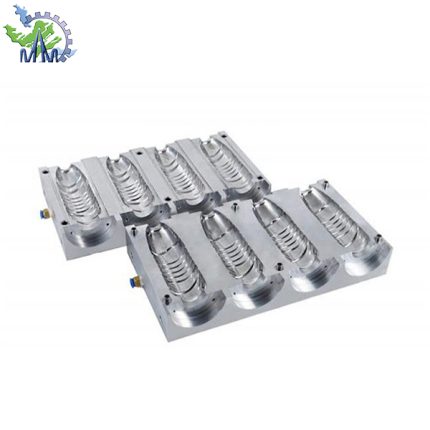
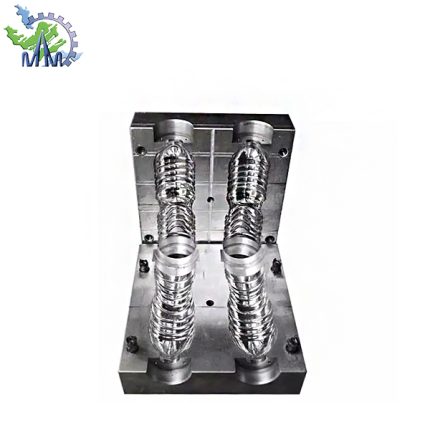
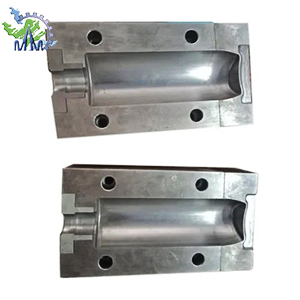
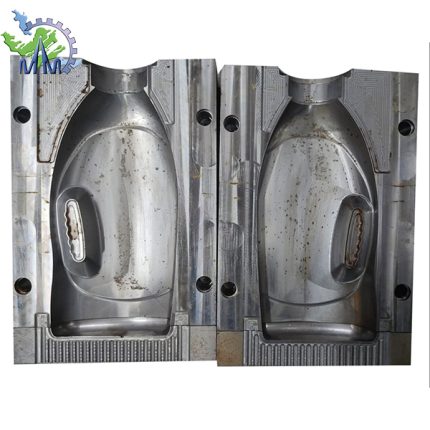
Air molding is an efficient process that uses compressed air to form lightweight, hollow plastic parts with high precision. Ideal for producing complex shapes, it offers fast production, low material waste, and excellent design flexibility.
Air molding
Air molding is a highly efficient manufacturing technique that uses compressed air to form materials—especially plastics—into hollow, lightweight, and structurally consistent shapes. By directing controlled air pressure into a heated or partially formed material, air molding allows the material to expand uniformly within a mold cavity. This method not only ensures precise dimensional accuracy but also reduces material waste, making it ideal for producing cost-effective parts with complex geometries. Industries such as packaging, automotive, consumer goods, and medical devices rely on air molding for its consistency, flexibility, and superior forming capability.
In addition to its shaping precision, air molding offers significant production advantages, including faster cycle times, reduced tooling weight, and enhanced design freedom. Because the process depends on air pressure rather than heavy mechanical force, manufacturers can produce large or intricate components without requiring highly rigid or expensive molds. Air molding is especially useful for creating hollow parts such as bottles, tubes, tanks, and various molded enclosures. Its ability to deliver high-quality, lightweight products makes it one of the most versatile and economical molding processes in modern manufacturing.
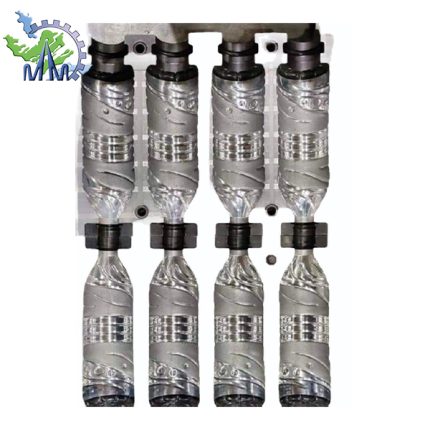
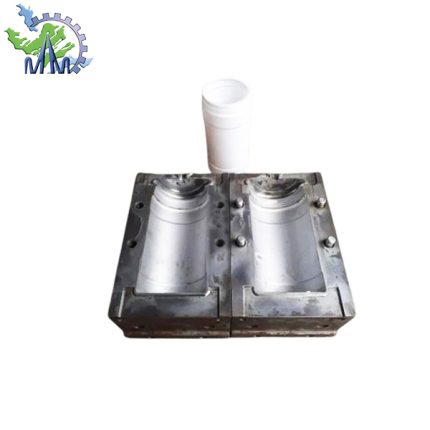
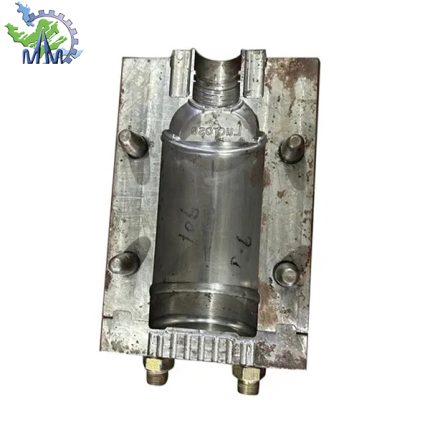
Blow Molds (Blow Molding Dies)
A blow mold is a specialized tool that uses air pressure to form materials into a desired shape. Blow molds are widely used in the production of items such as balloons, rubber parts, boats, furniture, and most commonly, plastic containers.
Advantages of Blow Molds
Compared to traditional rigid molds, blow molds offer several key advantages:
-
Lower production costs
-
Lighter weight and easier handling
-
Simple storage and transportation
-
Higher flexibility and adaptability
Blow molds can also create complex shapes and curved geometries that are difficult or impossible to produce using rigid molds.
To use a blow mold, the raw material is first placed on or around the deflated mold. The mold is then inflated with compressed air or gas, causing it to expand and press the material firmly against the walls of the surrounding cavity. The material is then heated, cooled, cured, or otherwise processed to solidify its shape. Afterward, the mold is deflated and removed from the final product.
This method is ideal for manufacturing large, hollow, and lightweight plastic components. Common applications of plastic blow molding include:
-
Plastic bottles and containers
-
Sports balls
-
Plastic pipes
-
Water tanks
-
Various household products
Plastic Blow Molding Process
The plastic blow molding process consists of the following stages:
1. Preparing the Plastic Material
In this stage, plastic granules or powder are loaded into the feed system. Through heat and rotation, they are melted and transformed into a molten plastic tube known as a parison.
2. Injecting the Plastic Material
The molten parison is then pushed into a metal mold—typically made of steel or aluminum—using a piston or extruder. The mold contains air channels and cooling systems to facilitate shaping.
3. Blowing the Plastic
Compressed air is introduced through an opening and inflates the parison, pressing it tightly against the inner walls of the mold. The air pressure also helps cool and solidify the plastic as it takes the mold’s shape.
4. Removing the Finished Plastic Part
Once cooled, the mold opens and the formed plastic part is removed. Various methods such as air pressure, cutting blades, or robotic systems may be used for separation. The part is then trimmed, cleaned, and packaged for final use.